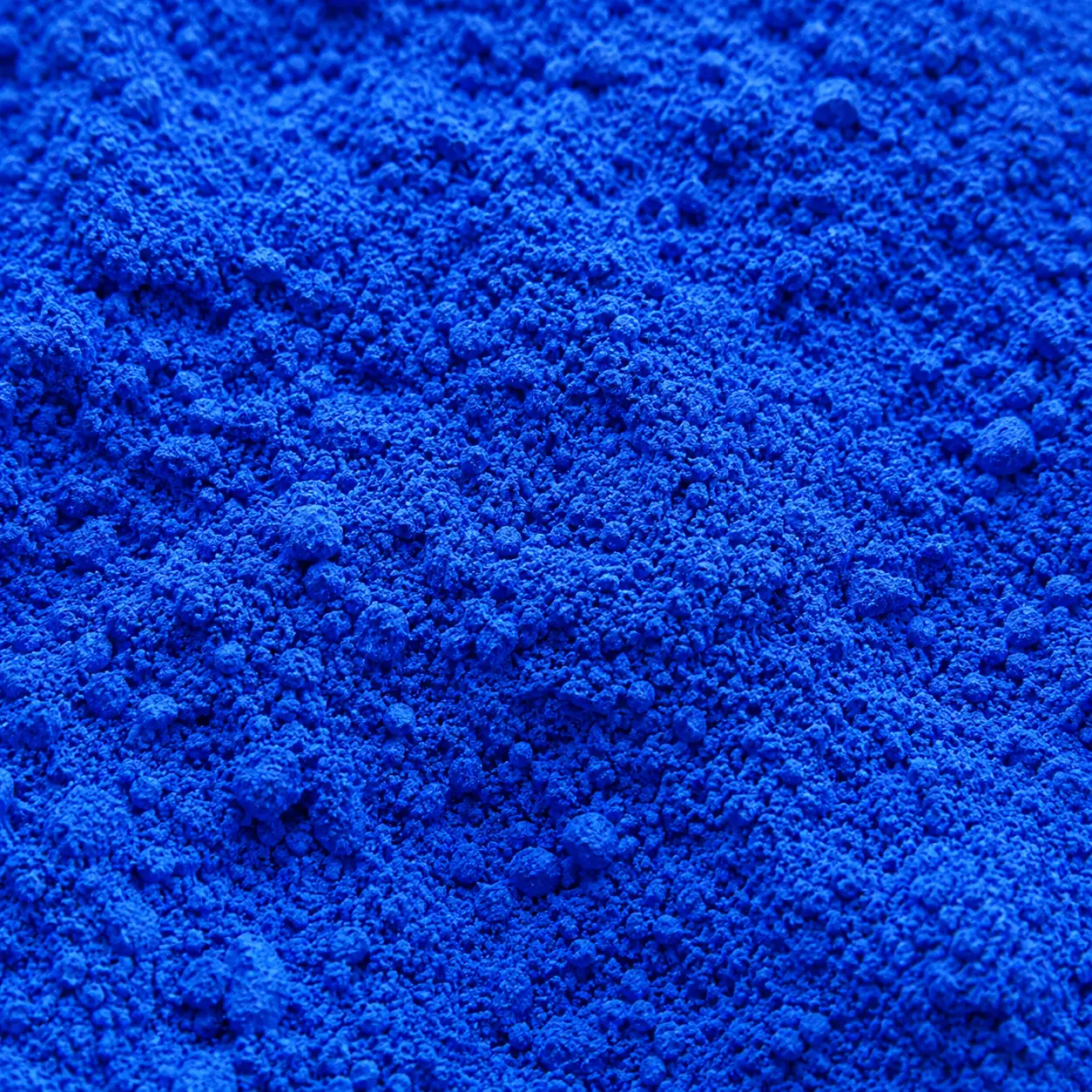
Supplied as pigment paste
Leather finishing uses fine aqueous pigment pastes that blend into binders and topcoats cleanly, giving even colour across the grain surface.
 Pigments by Source From India
Industries
Organic pigments for leather sourced from India with grade selection, documents, and export support.
Leather finishing colours the surface with pigment-loaded topcoats and basecoats rather than colouring the substrate throughout, so pigments arrive as fine aqueous pastes compatible with the binder system. Organic pigments provide the bright fashion shades and clean tones that finished leather demands, alongside inorganics for coverage. Buyers sourcing from India should confirm the pigment paste is well-dispersed and binder-compatible, offers good rub and wet fastness so colour does not transfer, holds light fastness for upholstery and auto leather, and stays flexible without cracking as the hide flexes.
At a glance
Leather finishing uses fine aqueous pigment pastes that blend into binders and topcoats cleanly, giving even colour across the grain surface.
Finished leather is handled and worn, so good dry and wet rub fastness stops colour transferring onto skin or clothing.
Hide bends constantly, so pigment in a flexible finish must move with it rather than crack or flake at fold lines.
Automotive and furniture leather see prolonged light, so lightfast organic grades keep upholstery shades from fading unevenly over years of use.
Recommended pigments
A starting shortlist of export-grade organic pigments relevant to Pigments for Leather. Open any grade for shade, fastness and packing detail, or send your requirement for a matched recommendation.
Bright green-shade yellow for offset ink and coating applications.
View export grade Red PigmentsQuinacridone magenta for high-performance paints and polymers.
View export grade Pigment PastesReady-to-use paste for fiberglass, FRP panels, and composites.
View export grade Blue PigmentsRed-shade alpha blue with dependable dispersion for inks and coatings.
View export grade Yellow PigmentsDiarylide yellow orange shade for plastics and heat-sensitive systems.
View export gradeExplore more
Answers
Pigment is applied to the surface in basecoats and topcoats, usually as an aqueous paste blended with binders, rather than dyed through the hide. This builds even colour and coverage on the grain, then rub, flex and light fastness determine how the finish wears.
Dry and wet rub fastness are critical so colour does not crock onto hands or clothing, along with flex resistance so the finish does not crack. For upholstery and automotive leather, light fastness is added to prevent visible fading over long service.
Yes. Modern leather finishing is largely water-based, so pigment is best supplied as fine aqueous pastes matched to your binder chemistry. Specify your finish system and shade targets so dispersion, strength and compatibility are set correctly before bulk supply.
Organic pigments give the bright, clean tones fashion leather needs, and shades can be matched to a physical reference in your finish system. Because fashion colours change each season, quick sampling and locked standards keep repeat orders consistent across runs.
Buyer knowledge base
A buyer-first summary of pigment selection, quality documentation and export logistics, so technical and commercial teams work from the same brief.
For outdoor use, phthalocyanine and DPP grades keep colour through sun and weather.
Bags, cartons, pallets and labels planned for clean warehouse handling and clearance.
TDS, SDS/MSDS and batch COA, plus REACH and RoHS declarations issued on request.
Heat, light, weather, solvent and migration resistance matched to the end use, not over-specified.