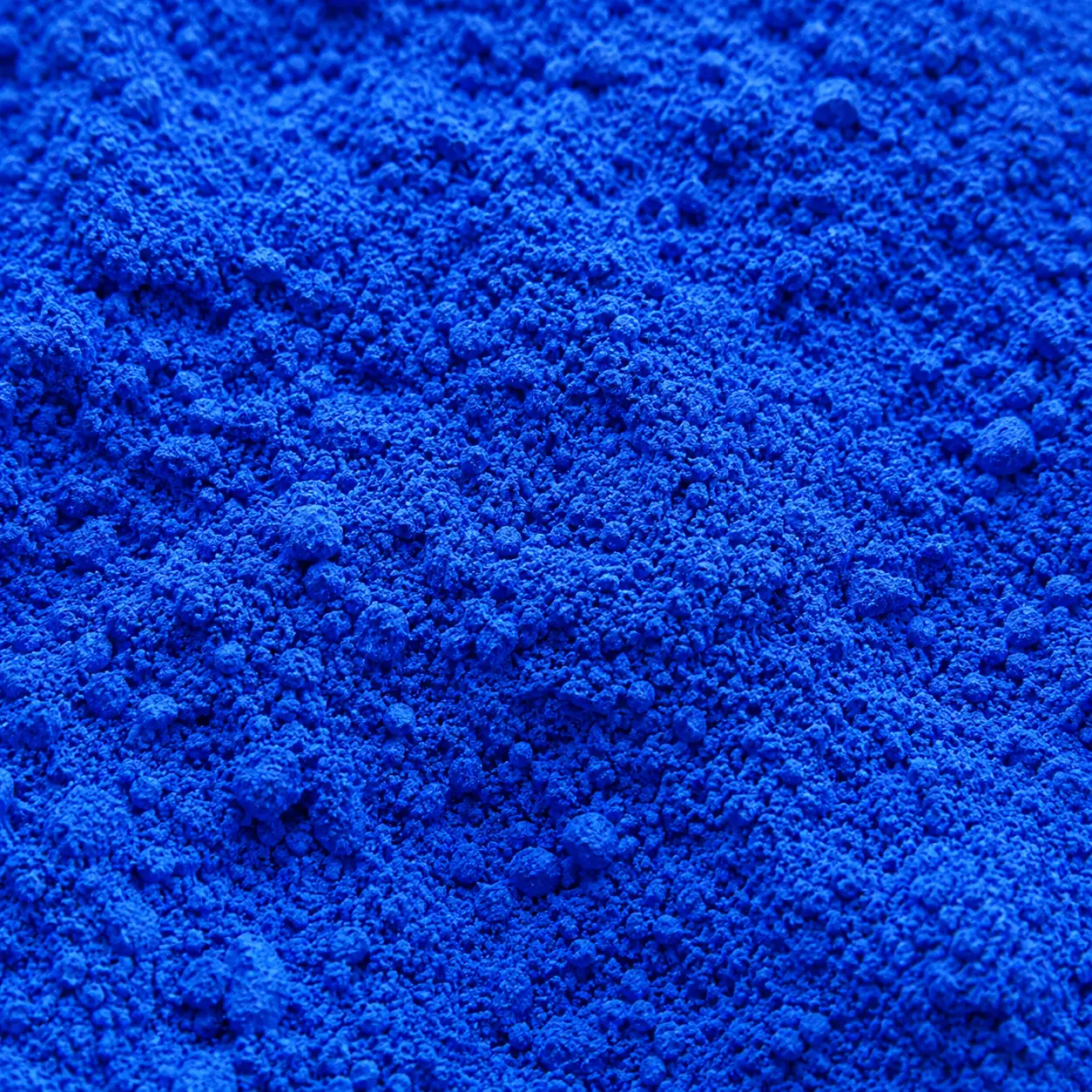
Bright, high-strength shades
Organic pigments give the clean, intense colours decorative and packaging papers need, with strong tinting economy versus dull inorganic alternatives.
 Pigments by Source From India
Industries
Organic pigments for paper sourced from India with grade selection, documents, and export support.
Paper colouration spans mass-dyeing at the wet end, surface coating and laminate or decor papers, and each route treats pigment differently. Organic pigments bring the bright, clean, strong shades that decorative and packaging papers demand, with the retention and fastness that wet-end processing requires. Buyers sourcing from India should confirm the pigment is offered as a stable aqueous dispersion where needed, has good retention on fibre, delivers the light fastness the end use requires, and stays bleed-resistant so colour does not wick into adjacent sheets when wet.
At a glance
Organic pigments give the clean, intense colours decorative and packaging papers need, with strong tinting economy versus dull inorganic alternatives.
For mass colouration, pigment must fix onto fibre with retention aids so colour ends up in the sheet, not the effluent.
Bleed-resistant grades stop colour wicking into neighbouring sheets or bleeding when the finished paper meets moisture.
Laminate and decor papers may face light and lamination heat, so choose grades with the fastness that end application demands.
Recommended pigments
A starting shortlist of export-grade organic pigments relevant to Pigments for Paper. Open any grade for shade, fastness and packing detail, or send your requirement for a matched recommendation.
High-strength beta blue for export-grade paints, inks, plastics, and masterbatch.
View export grade Yellow PigmentsArylide yellow grade for decorative coatings and water-based systems.
View export grade Red PigmentsStrong naphthol red for coatings, plastics, and masterbatch.
View export grade Pigment PastesStable epoxy paste for floor coatings and resin systems.
View export grade Green PigmentsYellow-shade green for plastics, coatings, PVC, and export applications.
View export gradeExplore more
Answers
Either at the wet end for mass colouration, where retention aids fix pigment onto the fibre, or in surface coatings and printing. Aqueous pigment dispersions are common; the route chosen dictates the dispersion, retention and fastness properties you should specify.
Bleeding happens when soluble or poorly fixed colourant migrates with moisture into adjacent sheets. Pigments, being insoluble, resist this far better than dyes, so specifying bleed-resistant pigment dispersions is the reliable route for tissue, napkin and packaging papers that face water.
For paper, aqueous dispersions are usually preferred over dry powder because they mix cleanly into the furnish and coatings. Specify your process and shade targets, and dispersions can be supplied with the strength and stability suited to wet-end or coating use.
Decor and laminate papers often need good light fastness, since finished panels are seen for years, plus stability through lamination heat and pressure. Match the pigment grade to that exposure so printed woodgrains and solids do not shift or fade in service.
Buyer knowledge base
How professional buyers de-risk a pigment purchase: sampling, fastness verification, documentation and clear commercial terms.
Evaluation samples with documents so QA and R&D approve shade and strength first.
MOQ, lead time, Incoterms and packing agreed up front, before sampling begins.
High-performance grades hold shade through hot processing and demanding cure schedules.
Technical and commercial questions answered by a single team from enquiry to dispatch.