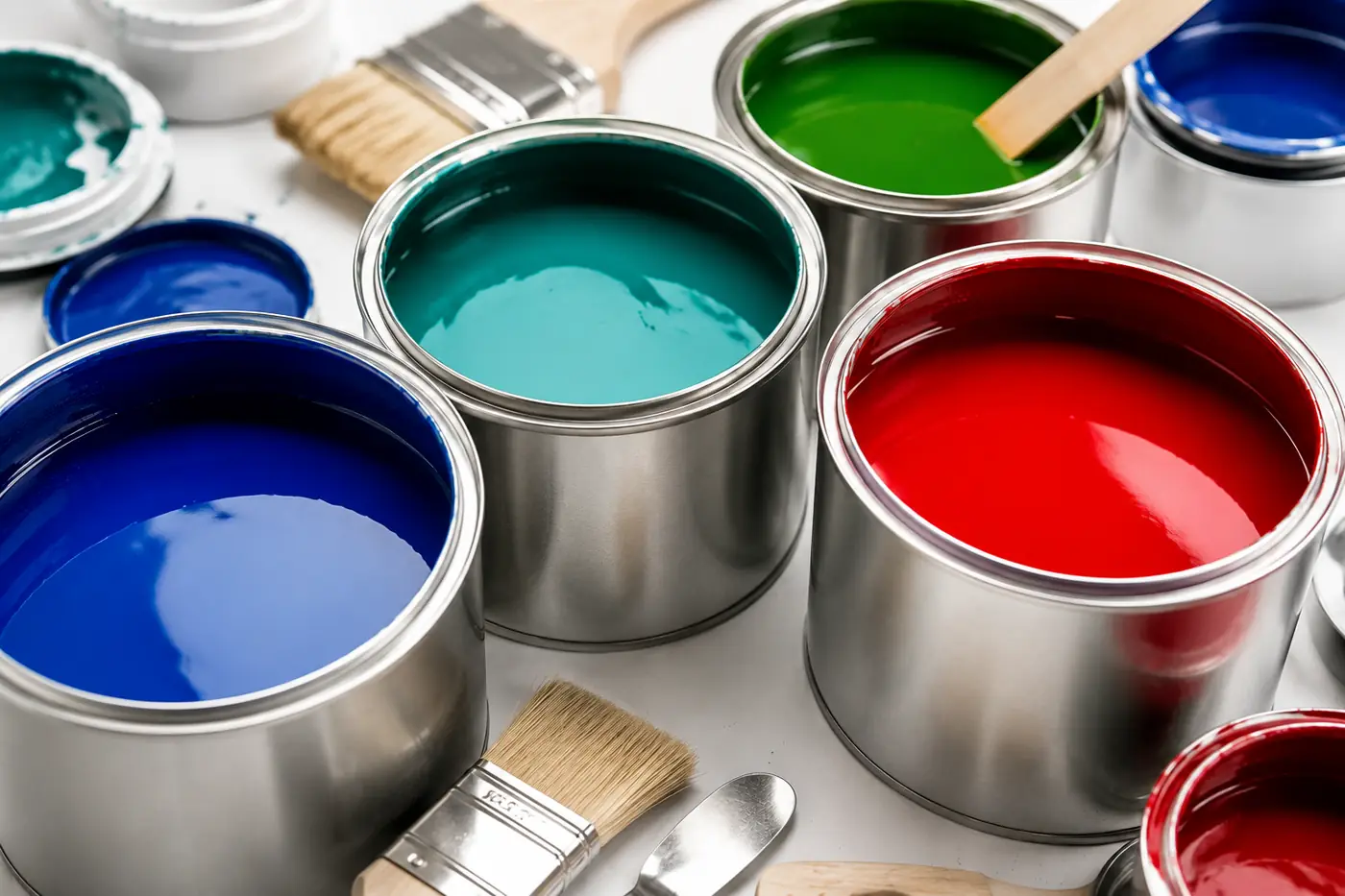
Top weather and salt fastness
Salt spray, UV and immersion attack colour hard, so only the highest weather-fast organic grades keep hull and topside shades stable.
 Pigments by Source From India
Industries
Organic pigments for marine coatings sourced from India with grade selection, documents, and export support.
Marine coatings face the harshest exposure of any paint sector, with constant salt spray, UV, moisture and immersion, so pigments must offer top-tier weather and chemical fastness while resisting the aggressive resin and biocide chemistries used in antifouling and topside systems. High-performance organic pigments such as phthalocyanines, DPP and quinacridone supply the durable blues, reds and clean colours. Buyers sourcing from India should confirm excellent weather and saltwater fastness, chemical resistance within antifouling formulations, stability against the binder system, and consistent strength for large, critical batches.
At a glance
Salt spray, UV and immersion attack colour hard, so only the highest weather-fast organic grades keep hull and topside shades stable.
Antifouling and high-solids systems are chemically aggressive, so pigments must resist the resins and biocides without shade change or breakdown.
Epoxy, polyurethane and vinyl marine binders demand pigments that stay inert and non-reactive so cured coatings hold colour and integrity.
Marine jobs run large batches on critical assets, so tight batch-to-batch colour and strength control avoids visible mismatch across a hull.
Recommended pigments
A starting shortlist of export-grade organic pigments relevant to Pigments for Marine Coatings. Open any grade for shade, fastness and packing detail, or send your requirement for a matched recommendation.
High-tinctorial yellow selected for general industrial demand.
View export grade Red PigmentsNaphthol red with balanced brightness and industrial usability.
View export grade Pigment PastesDispersion paste designed for polyester resin coloration.
View export grade Green PigmentsChlorinated phthalocyanine green for durable industrial coloration.
View export grade Yellow PigmentsHigh-performance yellow for demanding coating and plastic requirements.
View export gradeExplore more
Answers
High-performance organics such as copper phthalocyanine blue and green, DPP reds and quinacridones offer the top weather, UV and saltwater fastness marine coatings need. They resist the fading and chalking that lower grades suffer under constant spray, sun and immersion on a vessel.
They must be. Antifouling systems are chemically aggressive with biocides and reactive binders, so pigments have to stay inert and colour-stable within them. Confirm chemical resistance and binder compatibility with the supplier, since instability shows as shade change or loss of performance below the waterline.
Marine coatings cover large areas on high-value assets in multiple tins, so even small batch-to-batch colour or strength drift produces visible banding on a hull. Tight tinting-strength control and pre-approved standards keep large repeat orders matching across the whole application.
Established Indian exporters supply light and weather fastness information, safety data sheets and REACH or RoHS declarations relevant to marine and export use. Request these up front so the pigment can be qualified against your coating specification before committing to production volumes.
Buyer knowledge base
From shade approval to repeat supply — the essentials of sourcing organic pigments from India, written for technical evaluators and purchase managers.
Target a physical standard or current reference; the lab confirms undertone and tinting strength.
For plasticised and polyolefin systems, grades are chosen to resist blooming and plate-out.
REACH and RoHS declarations and correct HS codes prepared for your market's customs.
Approve shade, strength and dispersion on a sample before any production quantity.