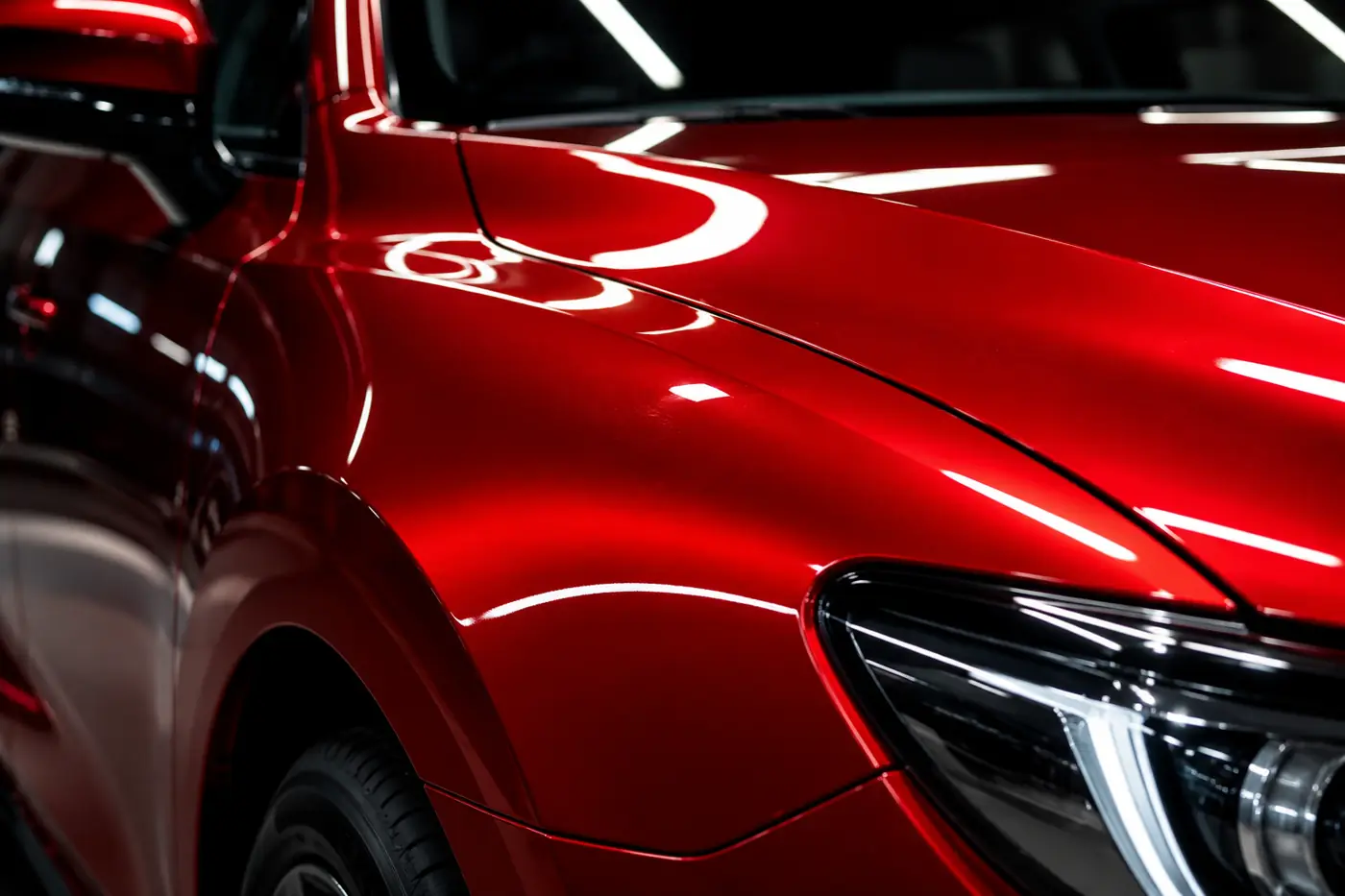
Interior UV weathering
Sunlight through glass ages interior surfaces, so pigments need strong light fastness to pass automotive interior weathering exposure standards.
 Pigments by Source From India
Applications
Pigment recommendations for automotive interiors with technical checks and export enquiry support.
Automotive interior parts, dashboards, trim, and soft-touch surfaces, face intense cabin heat, prolonged UV through glass, and contact wear, so pigments must combine high heat stability, strong light fastness for interior weathering standards, and migration resistance in flexible and plasticized substrates. Source From India supplies interior-grade organics that meet demanding automotive color durability expectations. Buyers should confirm light fastness against interior weathering exposure, heat stability for molding of PP, ABS, PVC and TPO, low migration and fogging behavior, and consistent shade matching to OEM color standards. Because interior color harmony across multiple parts and materials is scrutinized, tight batch consistency is essential.
At a glance
Sunlight through glass ages interior surfaces, so pigments need strong light fastness to pass automotive interior weathering exposure standards.
Parked cabins get very hot and parts mold hot, so pigments must resist shade shift under both processing and in-service heat.
Interior pigments must resist migration and volatile fogging that could haze glass or bloom on soft-touch trim surfaces.
Multiple interior parts and materials must color-match, so tight batch consistency keeps dashboards, trim and panels in visual harmony.
Recommended pigments
A starting shortlist of export-grade organic pigments relevant to Pigments for Automotive Interiors. Open any grade for shade, fastness and packing detail, or send your requirement for a matched recommendation.
Dispersion paste designed for polyester resin coloration.
View export grade Green PigmentsChlorinated phthalocyanine green for durable industrial coloration.
View export grade Yellow PigmentsHigh-performance yellow for demanding coating and plastic requirements.
View export grade Orange PigmentsDiarylide orange used for inks, textiles, and industrial colorants.
View export grade Pigment PastesWater-dispersible pigment paste for coatings and textile systems.
View export gradeExplore more
Answers
Sunlight passing through cabin glass ages interior surfaces intensely, and OEMs enforce strict interior weathering standards. We recommend high-performance organics with strong light fastness so dashboards, trim and upholstery-adjacent parts resist fading and shade shift across years of sun exposure inside the vehicle.
Parked cabins reach high temperatures and parts mold at elevated heat, so pigments must resist shade shift under both. We supply heat-stable grades matched to PP, ABS, PVC and TPO processing, so interior components keep consistent color through molding and long service in hot cabin conditions.
Fogging is volatile material condensing on glass, hazing the windshield. Pigments and their carriers must be low-fogging to meet interior air-quality and clarity requirements. We select clean, low-volatile grades so colored interior parts do not contribute to windshield fogging or leave surface deposits.
Yes. Interior color harmony across many parts and materials is closely scrutinized, so batch-to-batch consistency is vital. We control pigment shade and strength and match against OEM references, so buyers achieve coordinated color across dashboards, panels and trim molded from different substrates.
Buyer knowledge base
A short, practical brief for procurement and technical teams — how the right pigment grade is matched, documented, packed and shipped from India, and the fastest way to a quotation.
REACH and RoHS declarations and correct HS codes prepared for your market's customs.
Approve shade, strength and dispersion on a sample before any production quantity.
25 kg bags, palletised and batch-labelled, cleared under HSN 3204 17 90 for smooth customs.
Guidance on oil absorption and let-down, plus ready-to-use pastes where direct handling helps.