High-heat, reactive melt
Nylon processes hot and its melt is chemically reactive, so pigments must be heat stable and resist reacting with the polyamide.
 Pigments by Source From India
Applications
Pigment recommendations for nylon polyamide with technical checks and export enquiry support.
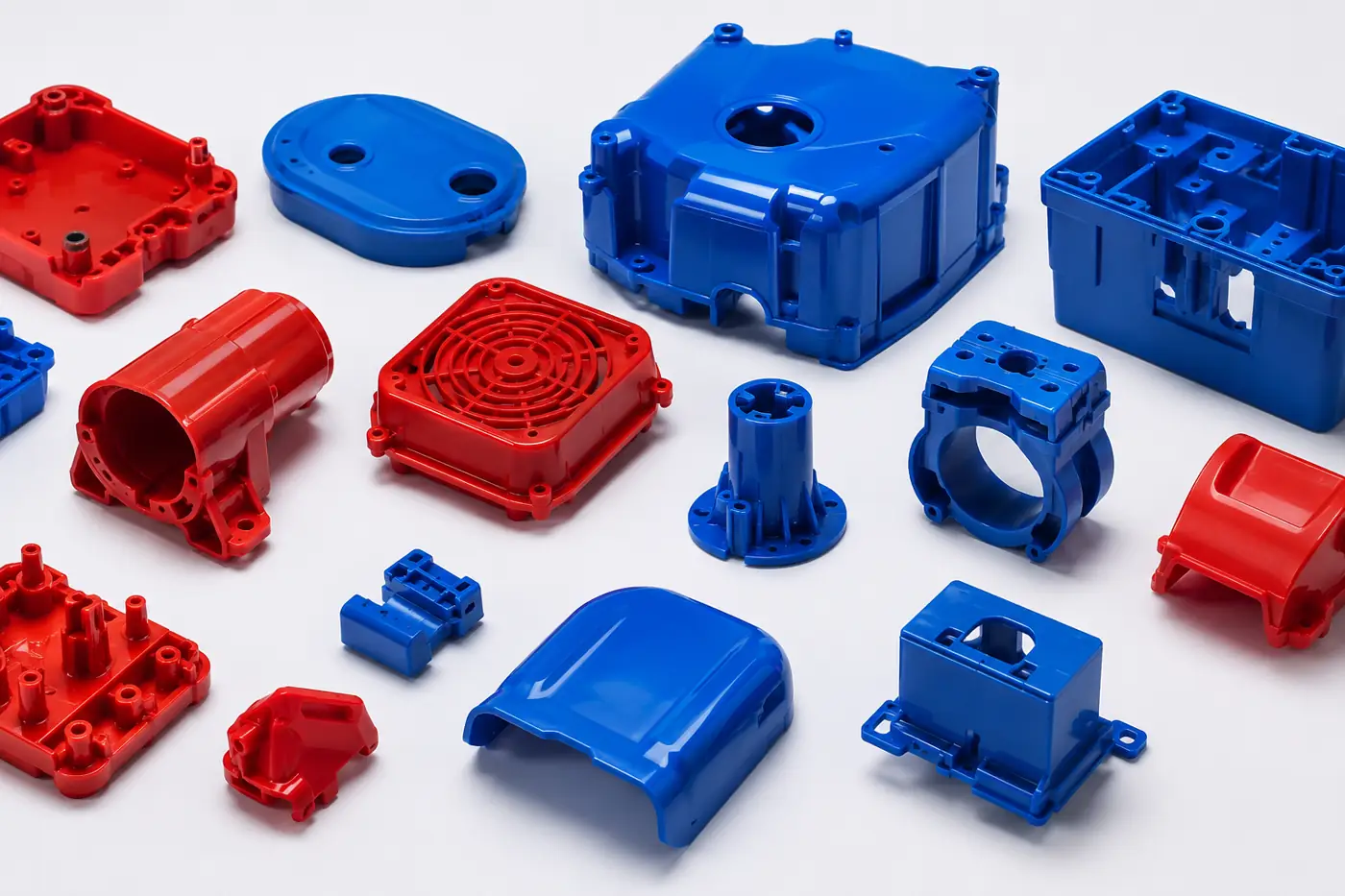
Nylon (polyamide) is a semi-crystalline engineering polymer processed at high temperatures for fibres, engineering parts and films, and its melt chemistry can be reactive, so organic pigment selection is unusually demanding. Pigments must be highly heat stable, chemically resistant to the reactive polyamide melt so they do not degrade or shift shade, and non-warping in moulded semi-crystalline parts. Buyers should confirm high-temperature stability matched to nylon processing, chemical resistance in the polyamide melt, non-warping grades for engineering mouldings, and fine dispersion with strong fastness for nylon fibre applications.
At a glance
Nylon processes hot and its melt is chemically reactive, so pigments must be heat stable and resist reacting with the polyamide.
Some pigments degrade or shift shade in the reactive nylon melt, so specify grades proven chemically stable in polyamide.
Nylon is semi-crystalline, so use non-warping grades to keep engineering parts dimensionally stable and free of pigment-induced distortion.
Nylon fibre needs finely dispersed, spinneret-safe pigment with strong light and wash fastness for carpets and textiles.
Recommended pigments
A starting shortlist of export-grade organic pigments relevant to Pigments for Nylon Polyamide. Open any grade for shade, fastness and packing detail, or send your requirement for a matched recommendation.
Chlorinated phthalocyanine green for durable industrial coloration.
View export grade Yellow PigmentsHigh-performance yellow for demanding coating and plastic requirements.
View export grade Orange PigmentsDiarylide orange used for inks, textiles, and industrial colorants.
View export grade Pigment PastesWater-dispersible pigment paste for coatings and textile systems.
View export grade Yellow PigmentsBright green-shade yellow for offset ink and coating applications.
View export gradeExplore more
Answers
Nylon combines high processing temperature with a chemically reactive melt and semi-crystalline structure, so pigments must be heat stable, chemically resistant to the polyamide, and non-warping. Few pigments satisfy all three, so selection is restrictive and grades must be specifically validated in nylon rather than assumed from other polymers.
The reactive polyamide melt can attack or interact with unsuitable pigments, causing shade shift, degradation or loss of strength during processing. This is a chemistry issue beyond mere heat stability. Grades must be proven chemically stable in nylon, so pigment behaviour is validated in the actual polyamide melt before use.
They can. Nylon is semi-crystalline, so pigments that nucleate crystallisation change shrinkage and warp engineering parts. Non-warping grades keep dimensionally critical mouldings true. This matters especially for functional components where fit and tolerance are important, so warp-tested nylon pigment grades are used for such parts.
Nylon fibre, used for carpet and textiles, is spun through fine spinnerets, so pigment must be dispersed very fine to pass filters without breaking filaments, plus offer strong light and wash fastness. It also faces nylon's high spinning heat and reactive melt, so heat-stable, chemically resistant fibre grades are needed.
Buyer knowledge base
Buying organic pigments from India, simplified: the checks that matter, the documents to expect and the quickest route from enquiry to shipment.
Heat, light, weather, solvent and migration resistance matched to the end use, not over-specified.
Sourced at origin through an in-house export desk — one contact from sample to shipment.
High tinting strength means less pigment per batch and cleaner, more economical shades.
For outdoor use, phthalocyanine and DPP grades keep colour through sun and weather.