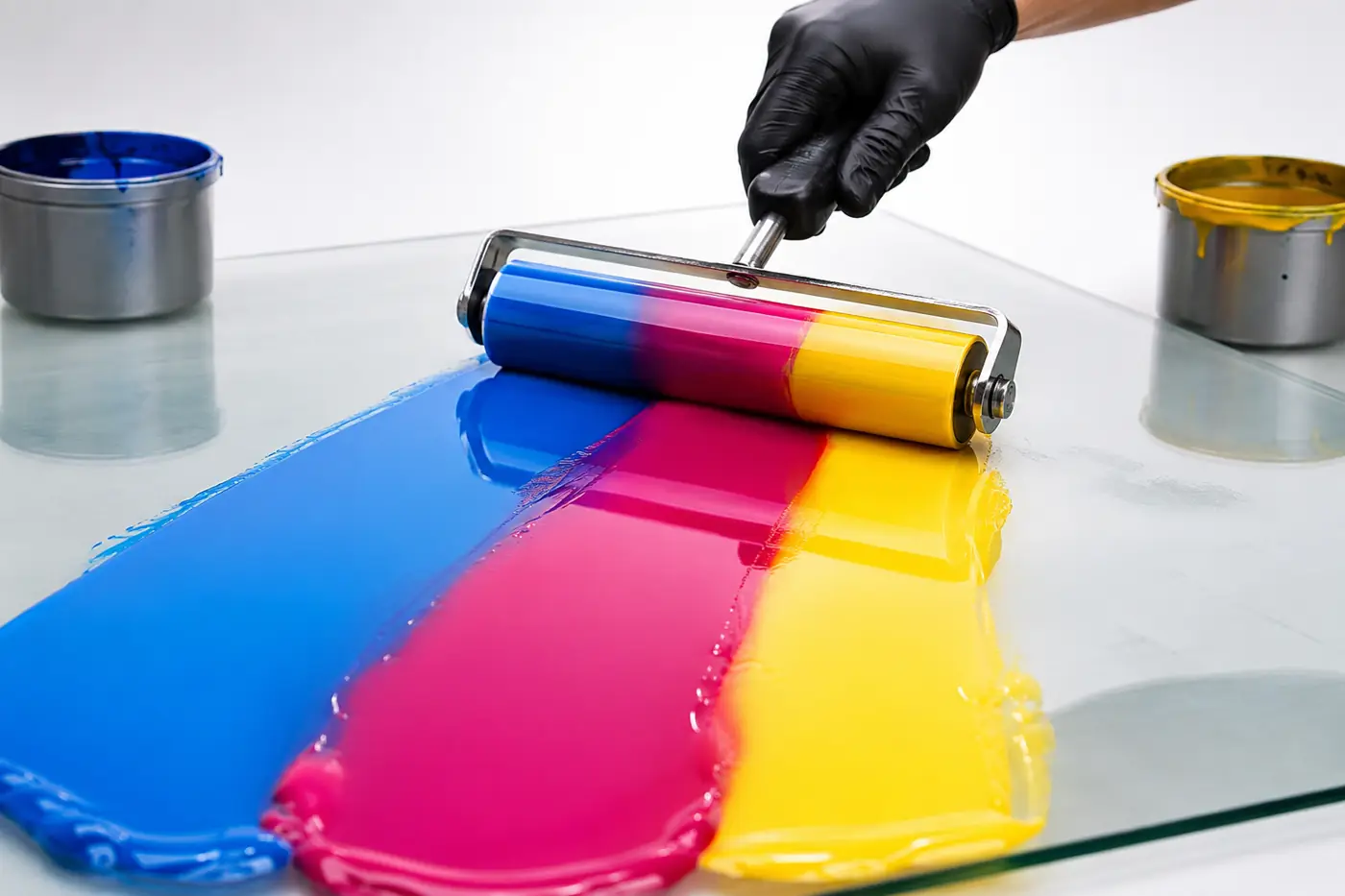
Vulcanisation heat stability
Rubber is cured hot, so pigments must survive vulcanisation without shade shift or degradation during the curing cycle.
 Pigments by Source From India
Applications
Pigment recommendations for rubber compounding with technical checks and export enquiry support.
Coloured rubber goods, from seals and mats to footwear and hoses, use organic pigments that must survive vulcanisation heat, resist migration and blooming in the elastomer, and withstand the sulphur or peroxide cure chemistry without shade change. Because rubber is flexible and often filled with oils and plasticisers, migration and bleeding are major concerns. Buyers should confirm heat stability through vulcanisation, resistance to migration and blooming in flexible elastomer, no interference with the cure system, and, for outdoor rubber, weather fastness to keep coloured articles from fading.
At a glance
Rubber is cured hot, so pigments must survive vulcanisation without shade shift or degradation during the curing cycle.
Oils and plasticisers in rubber promote migration, so specify non-blooming grades to keep coloured articles clean and non-staining.
Confirm pigments do not interfere with sulphur or peroxide cure, avoiding scorch, undercure or colour change during vulcanisation.
Outdoor seals, mats and profiles face UV, so choose weatherfast pigments so coloured rubber does not fade in service.
Recommended pigments
A starting shortlist of export-grade organic pigments relevant to Pigments for Rubber Compounding. Open any grade for shade, fastness and packing detail, or send your requirement for a matched recommendation.
Arylide yellow grade for decorative coatings and water-based systems.
View export grade Red PigmentsStrong naphthol red for coatings, plastics, and masterbatch.
View export grade Pigment PastesStable epoxy paste for floor coatings and resin systems.
View export grade Green PigmentsYellow-shade green for plastics, coatings, PVC, and export applications.
View export grade Red PigmentsCalcium lake red for printing inks, plastics, and packaging coloration.
View export gradeExplore more
Answers
Rubber cures at elevated temperature, so pigments must be heat stable through vulcanisation without shifting shade. They must also not interfere with the sulphur or peroxide cure chemistry, which could cause scorch or undercure. So heat stability and cure compatibility are both validated for coloured rubber compounds before production.
Rubber is flexible and often contains oils and plasticisers that mobilise pigment, letting it bloom to the surface or bleed onto contacting materials. This stains and spoils appearance. Non-migrating grades keep colour in the elastomer, which is important for seals, footwear and mats that touch other surfaces.
Yes, some pigments can affect scorch time or cure state in sulphur or peroxide systems, leading to premature curing or undercure and possible colour change. Selection is therefore validated with the actual cure package so the pigment stays inert to the vulcanisation chemistry while delivering the required colour.
Yes. Seals, profiles, mats and footwear used outdoors face UV and weather that fade weak pigments. Weatherfast grades matched to the shade keep coloured rubber looking consistent over its service life. Indoor rubber is less demanding, but outdoor articles should specify weather-durable pigments to avoid visible fading.
Buyer knowledge base
The practical side of pigment sourcing: matching chemistry to end use, confirming fastness, and getting samples and documents ready for a fast decision.
Shade and strength held to approved reference standards, order after order.
Evaluation samples with documents so QA and R&D approve shade and strength first.
MOQ, lead time, Incoterms and packing agreed up front, before sampling begins.
High-performance grades hold shade through hot processing and demanding cure schedules.