Very high heat stability
PC processes at high temperatures, so only the most heat-stable high-performance pigments survive without shade shift or degradation.
 Pigments by Source From India
Applications
Pigment recommendations for polycarbonate with technical checks and export enquiry support.
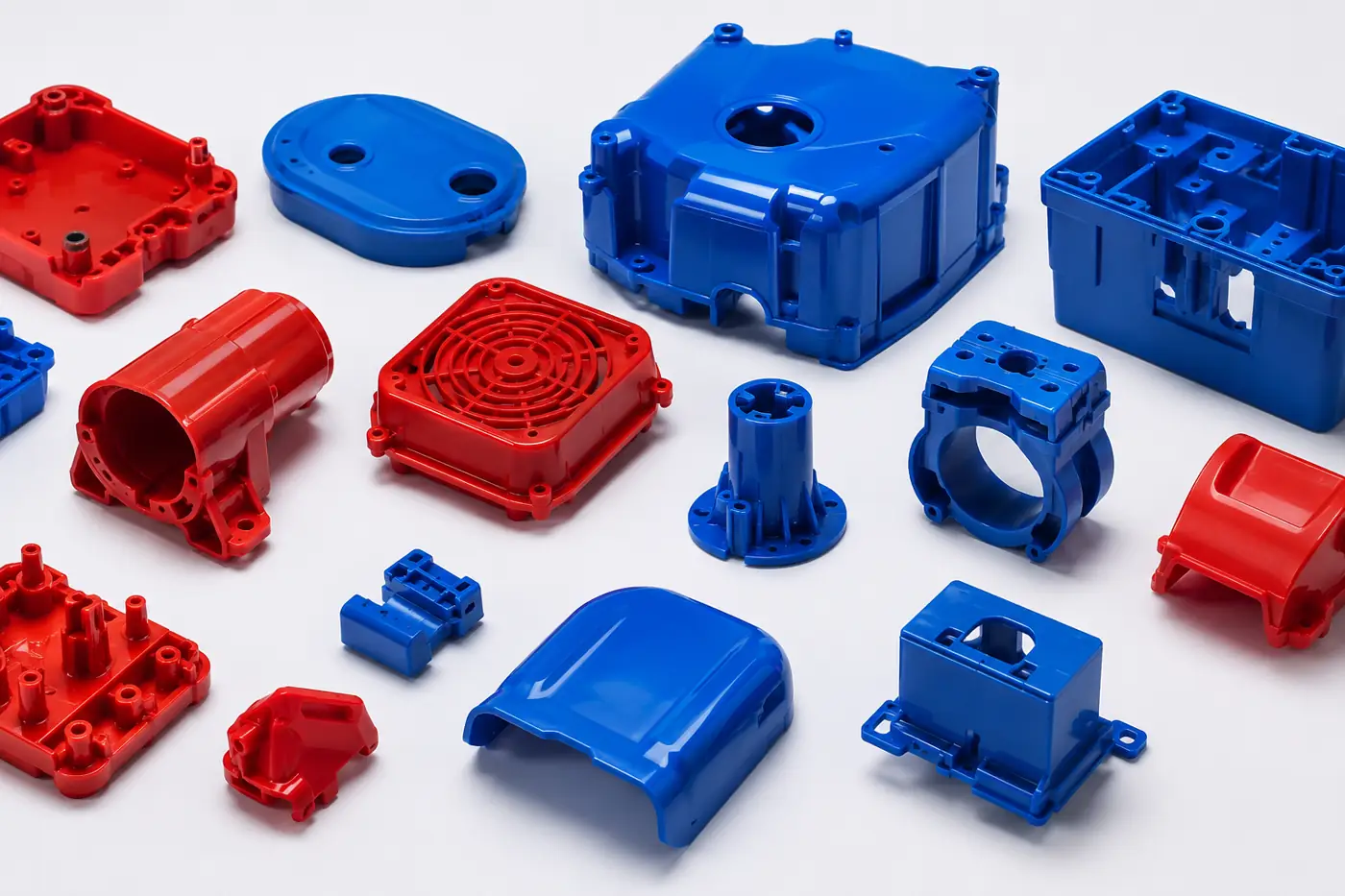
Polycarbonate is a high-performance engineering plastic processed at high temperatures for optical, glazing, electrical and automotive parts, frequently required to be transparent. This combination demands the most heat-stable, high-performance organic pigments that tint without hazing and without attacking the polymer, since some additives can hydrolyse or degrade PC. Buyers should confirm very high heat stability matched to PC processing, transparency for tinted glazing and lenses, chemical neutrality so the pigment does not degrade the polymer, and, for exterior glazing, weather fastness to preserve tint under sunlight.
At a glance
PC processes at high temperatures, so only the most heat-stable high-performance pigments survive without shade shift or degradation.
Glazing and lenses need transparent pigments that tint without hazing, preserving the optical clarity central to polycarbonate applications.
Confirm pigments and carriers do not hydrolyse or degrade PC, since some additives can attack the polymer and reduce strength.
Exterior polycarbonate glazing faces UV, so specify weatherfast pigments so tinted sheet and panels do not fade outdoors.
Recommended pigments
A starting shortlist of export-grade organic pigments relevant to Pigments for Polycarbonate. Open any grade for shade, fastness and packing detail, or send your requirement for a matched recommendation.
Water-dispersible pigment paste for coatings and textile systems.
View export grade Yellow PigmentsBright green-shade yellow for offset ink and coating applications.
View export grade Red PigmentsQuinacridone magenta for high-performance paints and polymers.
View export grade Pigment PastesReady-to-use paste for fiberglass, FRP panels, and composites.
View export grade Blue PigmentsRed-shade alpha blue with dependable dispersion for inks and coatings.
View export gradeExplore more
Answers
PC processes at high temperatures, among the hottest for common thermoplastics, so ordinary pigments would darken or decompose. Only the most heat-stable high-performance organic pigments hold shade and strength through the PC melt. This makes pigment selection for polycarbonate especially restrictive and demanding of validated, high-temperature grades.
Yes, with transparent high-heat pigments that colour PC without hazing, which is essential for glazing, lenses and light covers. The pigment must survive the high processing temperature and remain transparent. Grades are chosen specifically for clear tinted polycarbonate, where any clouding would undermine the optical purpose of the part.
They can if the pigment or its carrier introduces moisture or reactive species, since PC is susceptible to hydrolytic degradation that lowers molecular weight and strength. Suitable dry, chemically neutral, heat-stable pigment systems avoid this. Always confirm the pigment does not compromise polycarbonate's mechanical or optical properties before scaling up.
Outdoor PC glazing and roofing face prolonged UV, so tinting pigments must be weatherfast to avoid fading, on top of the high heat stability PC demands. Faded glazing looks poor and signals degradation, so weather-durable high-performance grades are specified and validated under realistic outdoor exposure for exterior polycarbonate.
Buyer knowledge base
The practical side of pigment sourcing: matching chemistry to end use, confirming fastness, and getting samples and documents ready for a fast decision.
TDS, SDS/MSDS and batch COA, plus REACH and RoHS declarations issued on request.
Heat, light, weather, solvent and migration resistance matched to the end use, not over-specified.
Sourced at origin through an in-house export desk — one contact from sample to shipment.
High tinting strength means less pigment per batch and cleaner, more economical shades.