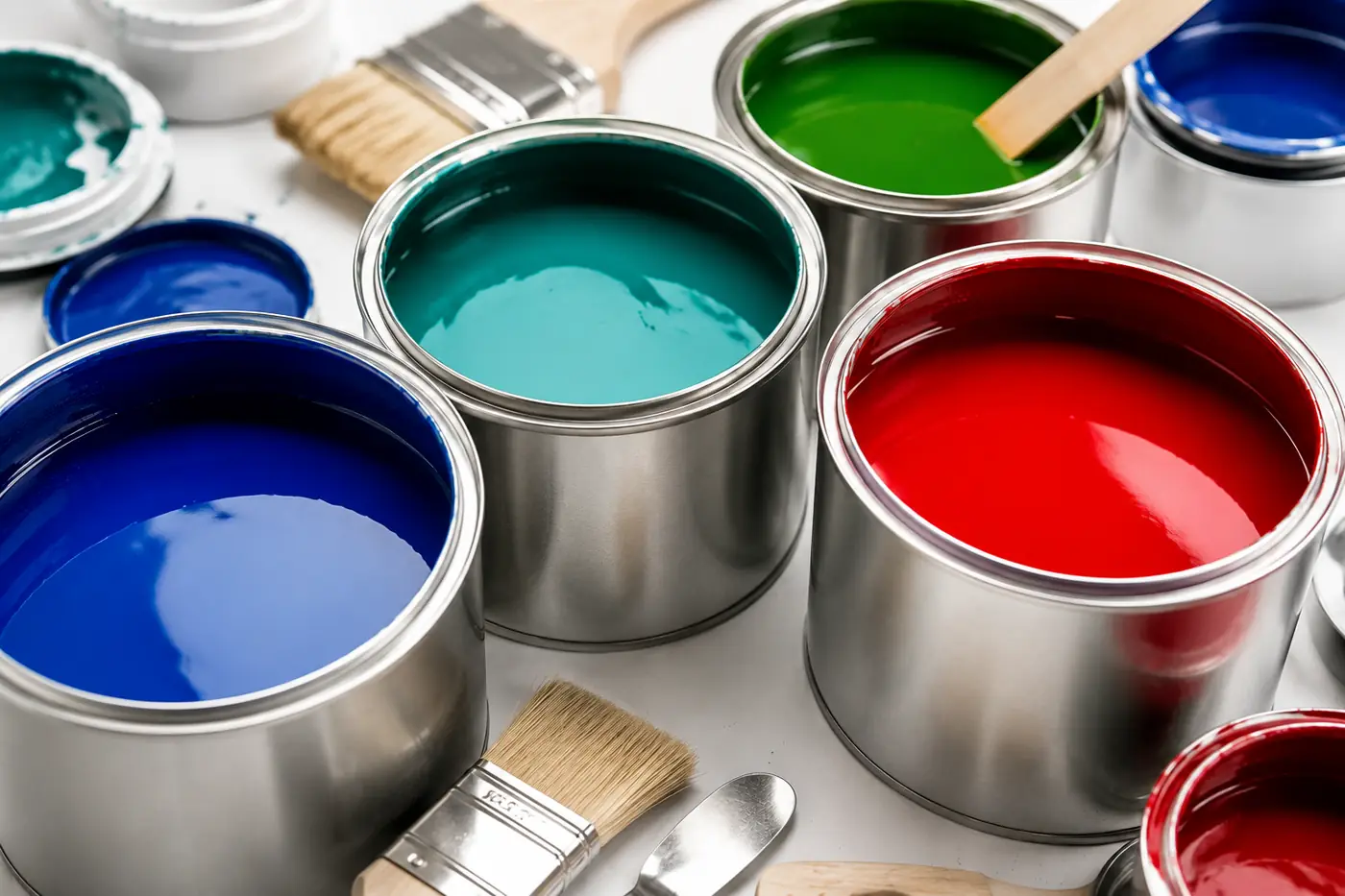
Non-bleeding color cores
Touching insulated cores must not bleed color into each other, so migration-resistant pigments keep coded conductors sharply distinguishable.
 Pigments by Source From India
Applications
Pigment recommendations for wire coating with technical checks and export enquiry support.
Wire and cable coating extrudes PVC, polyethylene or other insulation at high line speeds with heat, so pigments must be heat-stable, non-migrating to avoid bleeding between adjacent colored cores, and reliable in the standardized color-coding shades that identify conductors. Source From India supplies wire-grade organics matched to PVC and polyolefin insulation, usually via masterbatch. Buyers should confirm heat stability through extrusion, strict non-bleeding between touching insulated cores, consistent standard color-code shades, and, for PVC, compatibility with plasticizers to prevent plate-out or migration. Accurate, stable coding colors are safety-critical, so batch-to-batch color reliability is a core requirement.
At a glance
Touching insulated cores must not bleed color into each other, so migration-resistant pigments keep coded conductors sharply distinguishable.
High-speed insulation extrusion runs hot, so pigments must hold shade and strength through the melt without thermal darkening.
Wire color codes are safety-critical, so pigments must reproduce standardized coding shades consistently batch to batch for reliable conductor identification.
In flexible PVC insulation, pigments must resist plasticizer-driven migration and plate-out that would blur colors or foul extrusion equipment.
Recommended pigments
A starting shortlist of export-grade organic pigments relevant to Pigments for Wire Coating. Open any grade for shade, fastness and packing detail, or send your requirement for a matched recommendation.
Diarylide yellow orange shade for plastics and heat-sensitive systems.
View export grade Red PigmentsDPP red for premium weather-resistant coatings and plastics.
View export grade Pigment PastesPU-compatible pigment paste for industrial coatings and elastomers.
View export grade Yellow PigmentsEconomical diarylide yellow used in inks and industrial color systems.
View export grade Red PigmentsBarium lake red widely used in ink and coating formulations.
View export gradeExplore more
Answers
Cables bundle many colored cores in contact, and a bleeding pigment can transfer color between them, blurring the coding that identifies conductors. We supply migration-resistant grades so each insulated core keeps its distinct, correct color, which is safety-critical for correct electrical connection and inspection.
Flexible PVC insulation contains plasticizers that can carry mobile pigments to the surface, causing bleed or plate-out. We select grades resistant to plasticizer migration so coded colors stay sharp and extrusion equipment stays clean during long insulation production runs.
Yes. Wire color coding follows recognized standards, so shade accuracy and batch consistency are essential. We control pigment strength and shade so coding colors reproduce reliably, and buyers can share target standards so we match the exact insulation colors their specifications require.
We stock heat-stable grades for both PVC and polyolefin insulation, usually supplied for masterbatch conversion. Requirements differ between the polymers, so we advise per insulation type, ensuring pigments resist migration and hold coding shades in each extrusion system.
Buyer knowledge base
How professional buyers de-risk a pigment purchase: sampling, fastness verification, documentation and clear commercial terms.
25 kg bags, palletised and batch-labelled, cleared under HSN 3204 17 90 for smooth customs.
Guidance on oil absorption and let-down, plus ready-to-use pastes where direct handling helps.
Target a physical standard or current reference; the lab confirms undertone and tinting strength.
For plasticised and polyolefin systems, grades are chosen to resist blooming and plate-out.