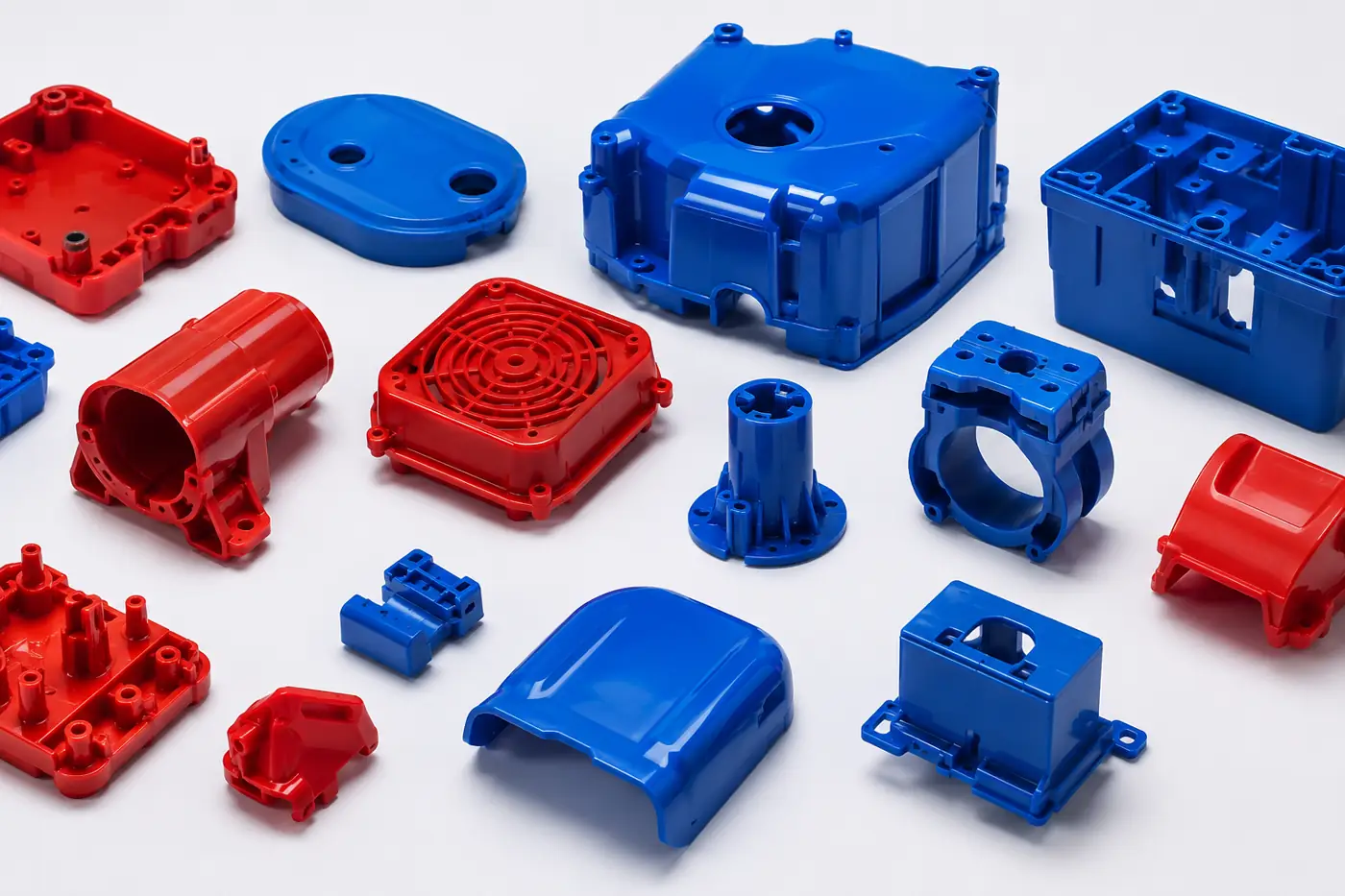
High melt-curtain heat
Molten polyethylene extrusion runs hot, so pigments must resist shade shift and decomposition in the high-temperature melt curtain.
 Pigments by Source From India
Applications
Pigment recommendations for extrusion coating with technical checks and export enquiry support.
Extrusion coating applies molten polymer, usually polyethylene, onto paper, board or film at high melt temperatures and fast line speeds, so pigments must be highly heat-stable to survive the hot melt curtain without shade shift and must disperse fully to avoid specks on thin coatings. Source From India supplies extrusion-coating grades, typically via masterbatch, engineered for clean dispersion and heat resistance. Buyers should confirm stability at high melt temperatures, freedom from specking on thin films, migration resistance for packaging and food-contact compliance where needed, and consistent color at high throughput. Uniform, speck-free color is essential on visible packaging and laminate surfaces.
At a glance
Molten polyethylene extrusion runs hot, so pigments must resist shade shift and decomposition in the high-temperature melt curtain.
Thin coating layers show any undispersed particle, so fully dispersed grades and masterbatch prevent specks and pinpoint color defects.
Food and packaging coatings need low-migration pigments meeting contact regulations so color stays bound in the extruded polymer layer.
Fast lines demand grades that hold uniform shade and strength at high throughput without drift across long production runs.
Recommended pigments
A starting shortlist of export-grade organic pigments relevant to Pigments for Extrusion Coating. Open any grade for shade, fastness and packing detail, or send your requirement for a matched recommendation.
Yellow-shade green for plastics, coatings, PVC, and export applications.
View export grade Red PigmentsCalcium lake red for printing inks, plastics, and packaging coloration.
View export grade Orange PigmentsBright orange pigment for paint, plastic, and coating systems.
View export grade Pigment PastesSolvent-compatible paste for industrial paints and ink systems.
View export grade Yellow PigmentsHigh-tinctorial yellow selected for general industrial demand.
View export gradeExplore more
Answers
The process lays down a molten polymer curtain at high temperature onto substrate, so pigments must resist thermal shade shift and decomposition during that brief but hot exposure. We supply heat-stable grades, usually as masterbatch, so extrusion coatings hold consistent color without darkening at line temperatures.
Extrusion coatings are thin, so any undispersed pigment shows as a visible speck. We supply well-dispersed grades and masterbatch that distribute fully in the polyethylene melt, so packaging and laminate surfaces stay smooth and speck-free even at high line speeds.
For food-contact extrusion coatings we supply low-migration grades that meet relevant compliance requirements and stay locked in the polymer layer. Share your regulatory and end-use targets and we recommend pigments balancing migration limits, heat stability and the color consistency packaging graphics demand.
We supply bulk organic pigments for masterbatch producers and coaters, focusing on heat-stable, speck-free grades for extrusion. Many buyers convert these to masterbatch for clean melt dispersion; we advise on grades matched to your carrier resin and processing conditions.
Buyer knowledge base
Sourcing pigment colour without surprises — how grades are chosen, checked and shipped, and the details that speed up your quote.
REACH and RoHS declarations and correct HS codes prepared for your market's customs.
Approve shade, strength and dispersion on a sample before any production quantity.
25 kg bags, palletised and batch-labelled, cleared under HSN 3204 17 90 for smooth customs.
Guidance on oil absorption and let-down, plus ready-to-use pastes where direct handling helps.